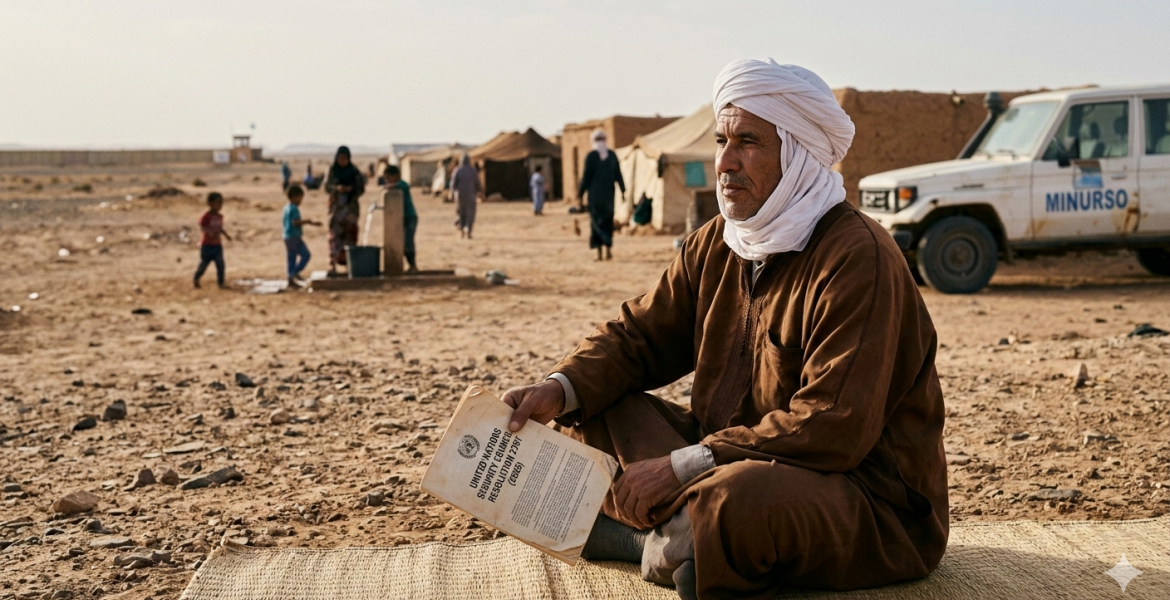
Resolution 2797: A Turning Point, But Not the End, for Western Sahara
For the better part of my adult life, I’ve watched the Western Sahara issue unfold not as a distant diplomatic squabble, but as an enduring human story, refugees in desert camps, families separated by borders, political deadlock that lasted decades. When the United Nations Security Council adopted Resolution 2797 in late 2025, it marked one of the clearest shifts in tone and substance in years. But turning a resolution into human wellbeing is not automatic. Here’s what it really means, why it matters, and how autonomy under Morocco’s sovereignty offers a path forward, especially if regional players, including Algeria, choose responsibility over stasis.
What Resolution 2797 Actually Says
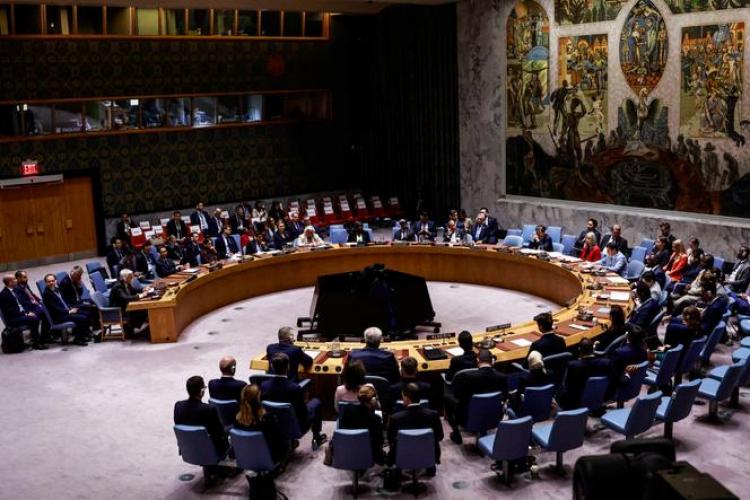
Resolution 2797 isn’t a silver bullet,but it is a big step. Officially, the Security Council extended the mandate of MINURSO, the long-standing UN mission, through October 2026 and, critically, described Morocco’s autonomy proposal as the most realistic framework for negotiations on Western Sahara’s future. This is the first time the Council has framed the 2007 Moroccan Autonomy Plan this way, explicitly welcoming use of that plan as the basis for political dialogue among the main actors.
From what I’ve seen in international diplomacy and regional media reporting, that may sound and read like a subtle shift, but in the United Nations, language is everything. This is a formal recognition of Morocco’s proposal as the basis on which the negotiations should proceed. That’s a meaningful move away from decades of abstract positions toward something concrete to build on.
Why This Matters to the People, Not Just Governments
I won’t sugarcoat it: many of the United Nations’ resolutions on Western Sahara prior to this one felt like paperwork that kept bureaucracies employed rather than people’s lives improved. Refugee families in camps near Tindouf, Algeria, many born in those camps and never in their homeland, have lived under harsh conditions for generations waiting for something to change.
From the human perspective:
-
Autonomy under a framework like Morocco’s means local governance with real authority over education, health, economic development, and cultural life.
-
It offers a legal path for people to have meaningful control over daily life while being part of a larger state — not trapped as an open-ended separatist conflict with no practical end.
-
A stable and peaceful autonomous region can attract jobs, investment, and basic services that have been scarce for decades.
This isn’t theoretical. Look at regions elsewhere that have gained meaningful autonomy: when governance is local and responsive, community pride, economic growth, and social stability follow. Yes, debates over final status will continue, but for local Sahrawis tired of refugee camps and political limbo, functional autonomy could be life-changing.
Algeria’s Role, Obstruction or Opportunity?
If you listen to official statements from Algiers, their foreign ministry insists that Resolution 2797 doesn’t change the fundamental constants of the Western Sahara issue. Algerian diplomats say they want a path that fully honors self-determination, meaning a referendum that includes independence as an option, something they have championed for years.
That position has been consistent, and understandable in context. Algeria supported the Polisario Front, hosted refugees, and saw itself as a defender of Sahrawi rights. But the diplomatic reality has shifted, and in international forums the autonomy plan now has far broader backing than it did even a few years ago.
Here’s where my experience tells me things often go off the rails: when a state treats a political issue as a zero-sum identity battle rather than a problem to solve for people. Algeria’s continued emphasis on maximalist political goals, without a clear path to achieve them — risks leaving the people they say they support in perpetual limbo. Diplomacy isn’t about preserving ideal positions forever; it’s about finding pathways that produce tangible human betterment.
At this stage, the most constructive thing Algeria could do, if it truly cares about Sahrawis, is engage directly in the negotiating process envisioned by Resolution 2797 rather than stand apart. Negotiations under the UN framework give Algeria a stake in a stable future for its neighbor and for the region. Avoiding engagement only guarantees the conflict continues.
The Practical Upsides of Autonomy for Western Sahara’s People
From my years watching and advising on negotiations around autonomy models, I can say this with confidence: autonomy works when the people involved feel ownership of the process. Here are concrete ways autonomy could benefit Sahrawi communities:
-
Local Political Power: Regional parliaments, elected leadership, and administrative control over education, culture, and daily governance give communities a sense of agency they’ve been denied.
-
Economic Growth and Investment: Stability attracts investment. Tourism, renewable energy projects, agriculture, all of these can grow when political uncertainty decreases and investors feel secure.
-
Return of Refugees and Right to Home: People displaced into refugee camps could return to their hometowns with legal protections and rights to rebuild their lives.
-
Shared Citizenship and Rights: Autonomy as part of a larger state structure, with guarantees of citizenship rights, can provide services and protections that neither refugee status nor indefinite political contest has delivered.
Yes, these outcomes are aspirational. But autonomy grounded in reality, not just rhetoric, provides mechanisms to achieve them.
Does This End the Issue? Not Automatically, But It Can
If you talk to diplomats, analysts, and people directly affected by the Sahara situation, there’s consensus on one point: 2797 doesn’t magically make the conflict disappear. It frames the next stage. It makes the Moroccan autonomy plan the centerpiece around which conversations happen. And that is a game changer compared with years of stalemate.
For the parties involved who want peace, including Algeria, the next challenge is concrete: sit down, negotiate in good faith, prioritize human needs over political posturing, and work through the practical details of autonomy that will make it meaningful. That’s where the real work begins.
A Final Thought, Peace Is Built, Not Declared
I’ve seen too many conflicts where grand pronouncements were celebrated in capitals but never translated into improved lives. What gives me hope about Resolution 2797 is that it doesn’t pretend to end the issue with a single stroke. It sets a framework for negotiation, and that’s the infrastructure from which real progress flows.
If Morocco, Algeria, Mauritania, and the Polisario Front commit seriously to negotiations under this framework, with the United Nations facilitating and international partners encouraging, a realistic, stable, and people-centered solution could emerge in a way that sustains peace for future generations.
Western Sahara’s story will not be wrapped up in a single resolution, but 2797 has finally given us a pathway toward an outcome that lifts communities out of uncertainty and into a future they can shape for themselves.