Western Sahara After Resolution 2797: Timeline, Power Dynamics, and Daily Reality
When I look at long conflicts, I always ask three questions:
-
How did we get here?
-
Who really holds influence?
-
What would change for ordinary people if a deal finally sticks?
Applying that lens to United Nations Security Council Resolution 2797, the picture becomes clearer, and more pragmatic.
1. The Timeline: From Frozen Conflict to Structured Negotiation
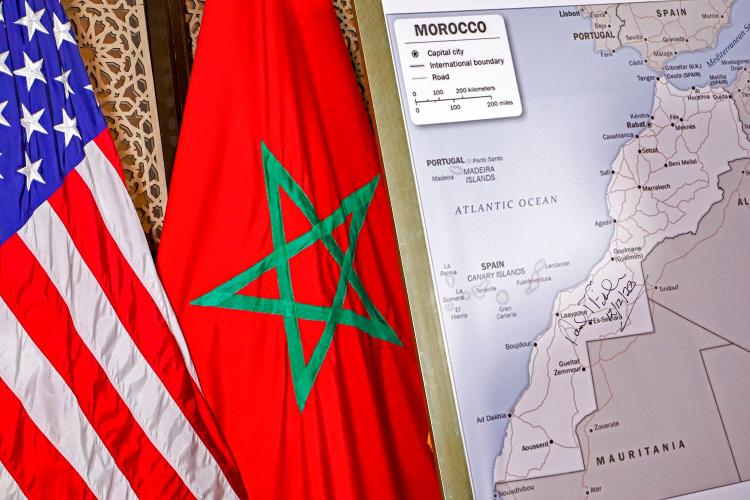
Western Sahara has been in diplomatic limbo since Spain withdrew in 1975. The dispute hardened between Morocco and the Polisario Front, backed politically and logistically by Algeria. A ceasefire in 1991 led to the creation of MINURSO, tasked with organizing a referendum. That referendum never materialized because of disagreements over voter eligibility and political terms.
For decades, UN resolutions extended mandates, repeated language about “self-determination,” and encouraged negotiations. But in practice, nothing structurally moved.
In 2007, Morocco introduced an autonomy proposal, offering Western Sahara self-governance under Moroccan sovereignty. At the time, it was presented as one option among others.
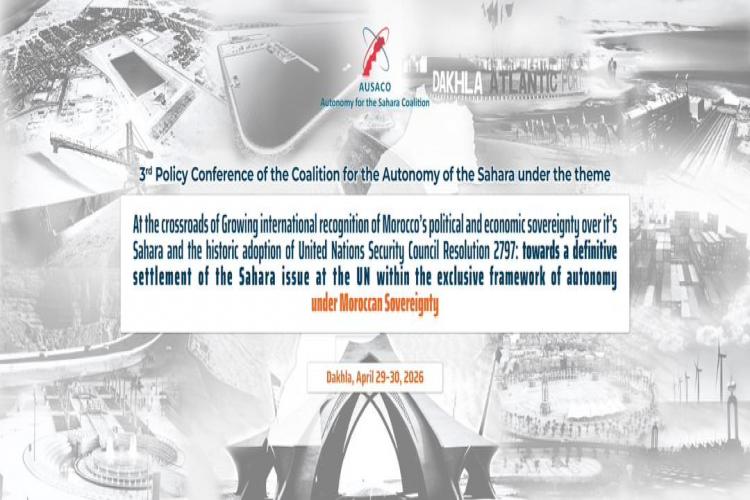
Fast forward to Resolution 2797:
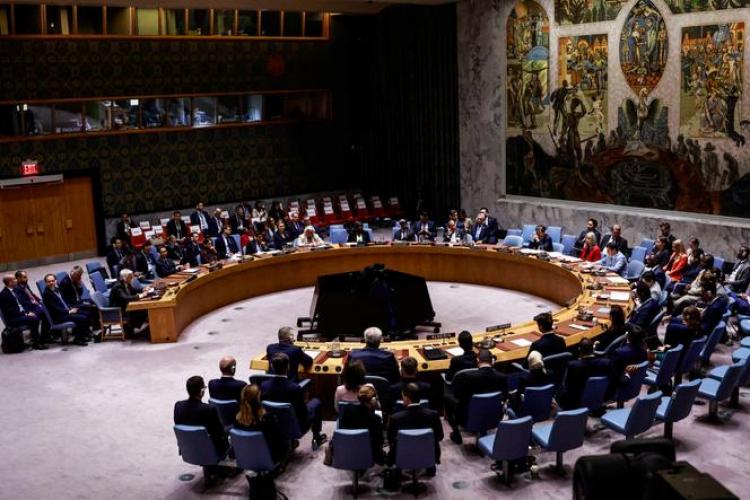
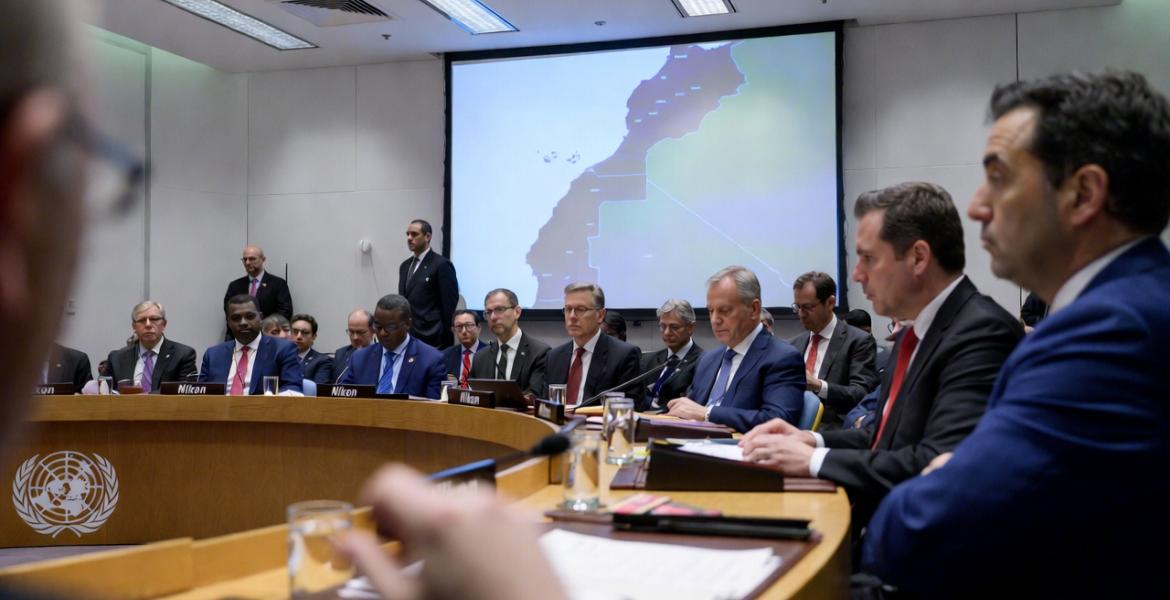
For the first time, the Security Council framed the autonomy initiative as the most serious and realistic basis for negotiations. That language matters. In diplomatic terms, it signals consolidation around one political framework rather than endless theoretical alternatives.
From my experience watching conflicts, this is usually the moment when a dispute transitions from ideological positioning to practical bargaining.
2. What Autonomy Would Actually Mean for Daily Life
This is the part people rarely explain clearly. So let’s break it down practically.
When people hear “autonomy,” they often imagine a vague political slogan. In real terms, it usually includes:
Local Parliament and Executive Authority
An elected regional assembly controlling:
-
Education policy (including cultural and language preservation)
-
Local policing and administration
-
Urban planning and economic licensing
That means decisions about schools, local taxes, and development priorities would be made in Laayoune or Dakhla — not Rabat.
Cultural Protection
Autonomy arrangements typically constitutionally protect cultural identity. For Sahrawis, that could mean:
-
Formal recognition of Hassaniya heritage.
-
Curriculum reflecting regional history.
-
Cultural councils with budgetary authority.
From my experience observing autonomy models elsewhere, identity preservation reduces radicalization when people feel seen rather than erased.
Economic Acceleration
Stability is the biggest economic catalyst.
Western Sahara already has:
-
Phosphate resources.
-
Fisheries.
-
Strong renewable energy potential.
-
Growing port infrastructure.
Autonomy would provide regulatory certainty, encouraging:
-
Foreign investment partnerships.
-
Tourism development.
-
Small business growth.
-
Cross-border trade.
And here’s the part that matters most, employment for young Sahrawis. When young people see careers locally, political grievances lose emotional intensity.
Refugee Return Mechanisms
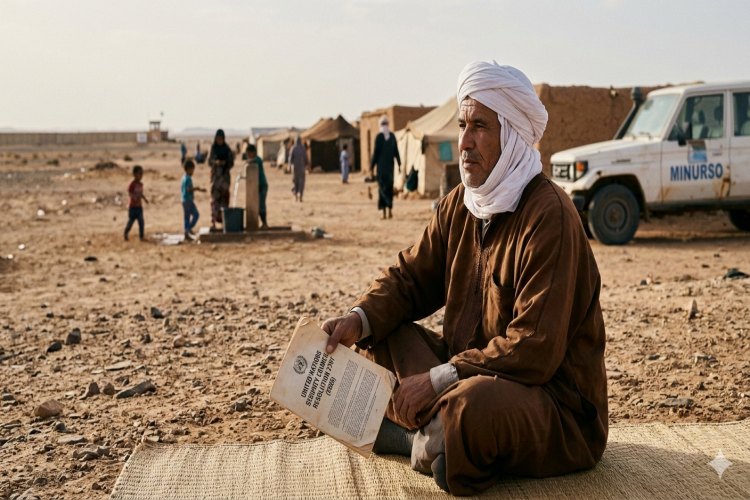
One of the most sensitive issues is the refugee population in Tindouf.
An autonomy agreement could include:
-
Safe return programs supervised by the United Nations.
-
Property restitution or compensation systems.
-
Integration guarantees and civil rights protections.
If handled properly, this could be the single most transformative humanitarian outcome of the entire process.
3. Does This Actually End the Issue?
Resolution 2797 does not impose a solution. It creates structured momentum around one.
The difference is subtle but decisive:
Before:
Endless debate over abstract end states.
Now:
Negotiation over details within a defined framework.
From my experience, once negotiations move into “how” instead of “whether,” solutions become technically complex but politically achievable.
4. The Real Test Ahead
The next stage will determine everything:
-
Will Algeria engage constructively or maintain distance?
-
Will Morocco offer autonomy with genuine depth of authority?
-
Will Polisario negotiate safeguards rather than reject the framework?
-
Will the UN sustain diplomatic pressure beyond mandate renewals?
Conflicts don’t end when one side wins rhetorically. They end when ordinary people feel their lives improve.
If autonomy is implemented with sincerity — real budgets, real elections, real authority — Western Sahara could transition from a symbolic geopolitical rivalry to a model of negotiated regional integration.
And after decades of waiting, that shift would matter far more than any resolution’s wording ever could.